How will the oil crisis change the world?
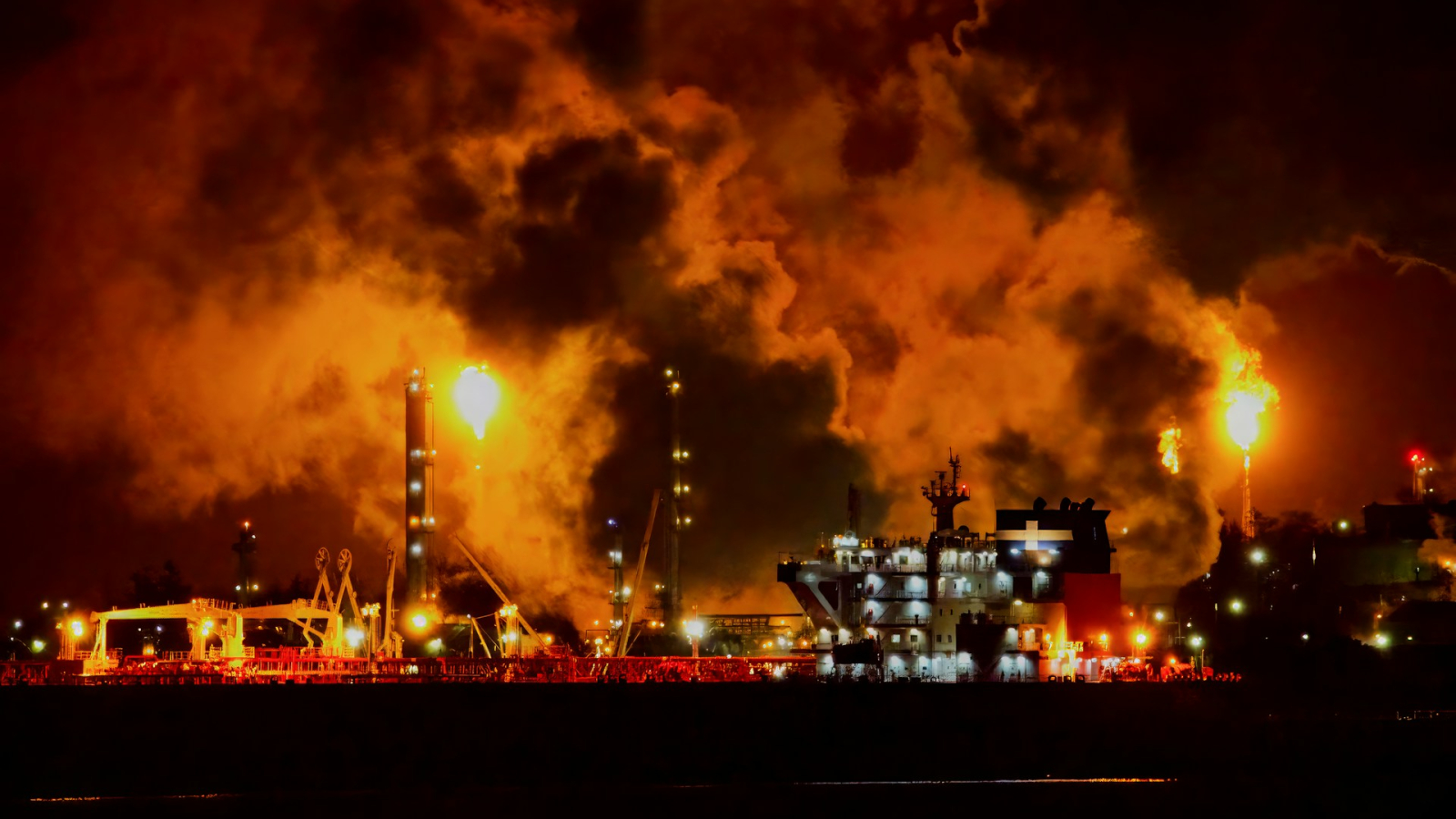
Israel and the United States have been at war with Iran and its regional allies since February 28, 2026. Iran made the decision to blockade the Strait of Hormuz, making it impossible to import crude oil from Iran or its neighbours. The war also affects producing states' oil facilities in addition to obstructing oil transit. “It is a disruption of the actual means of supply, not just the transit”, political economist Helen Thompson explains. Thompson works at Cambridge University and analyses geopolitical conflicts from a resource perspective. She argues that the need for oil is a big driver of international conflict. We can see this happening on many fronts, just look at how Ukraine is targeting Russian oil refineries via drone attacks, and how the Houthi attacks in the Red Sea are interfering with a vital shipping route that Saudi Arabia frequently uses for oil exports.
The Strait of Hormuz did reopen in June, but the route remains dangerous and therefore extremely expensive. For example, the cost of hiring a supertanker from the Persian Gulf to China has increased from 65 thousand to 1.5 million dollars per day, it’s also very hard to find sailors who are willing to work on the vessels.
Unfortunate side effects or intentional strategy?
Are these exorbitant prices a merely unfortunate (yet foreseeable) consequence of the attacks on Iran, or are they part of a broader foreign strategy? Because China and the US are in a power rivalry and considering that Iran exports a lot of oil to China, Thompson concludes: “I think you have to consider the serious possibility that disruption to China was a war aim for Trump”. Does that make the US the big winner? “I am not sure that anybody is really winning, but there are definitely differences in the scale of losing”, Thompson states. The US seems to be losing the least, as it is a very large oil producer and mostly self-sufficient in terms of gas. Perhaps it was its goal to make China the big loser, but they have stockpiled oil, which means they can use enormous reserves. The question is: how long can they keep this up?
Europe’s dependency and the energy transition
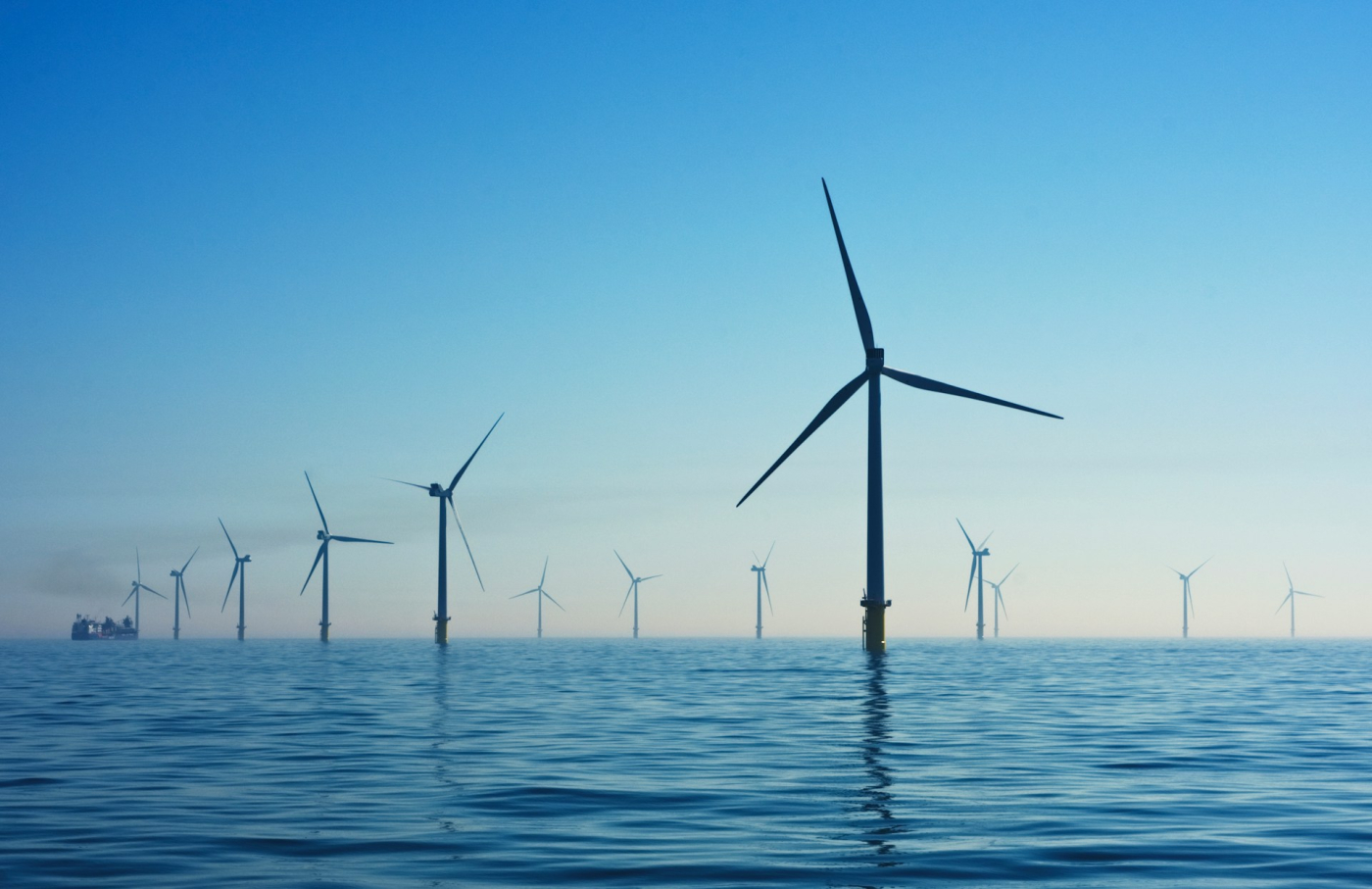
Where do all these geopolitical conflicts leave Europe? Europe's reliance on the US has grown as it has shifted away from Russian oil supplies. According to physicist and renewable energy expert Gert-Jan Kramer (UU), this reliance and the associated political conflicts could hasten the energy transition. "The energy transition was initially solely motivated by climate change, but in recent years it has evolved into a political autonomy issue," Kramer says. If you look at the oil crisis of 1973, it had a similar effect: it incentivized the production of smaller and more fuel-efficient cars.
Independency or China’s conquest?
Will Europe's precarious situation be resolved by shifting to electric and renewable energy? Sadly, things are not that simple. Europe's electrification will increase its reliance on solar panels, wind turbines, and electric cars, all of which are partially composed of materials derived from oil and rare earth metals. As it happens, the mining and refinement of those metals is dominated by China. Batteries, electric vehicles, and wind turbines are all imported from China, often via super big ships that need...well oil. In other words, Europe may attempt to become slightly less resource-dependent on the US by speeding up the energy transition, but doing so may increase its need on China.
So, is China the real winner in the long run? Or are we just scratching the surface of this geopolitical power game? If you want to know more about China’s policy and strategy, please join us on October 28 for a discussion titled 'China according to Xi Jinping' with journalist and China-expert Garrie van Pinxteren.