How ‘enshittification’ ruins the internet (and much more)

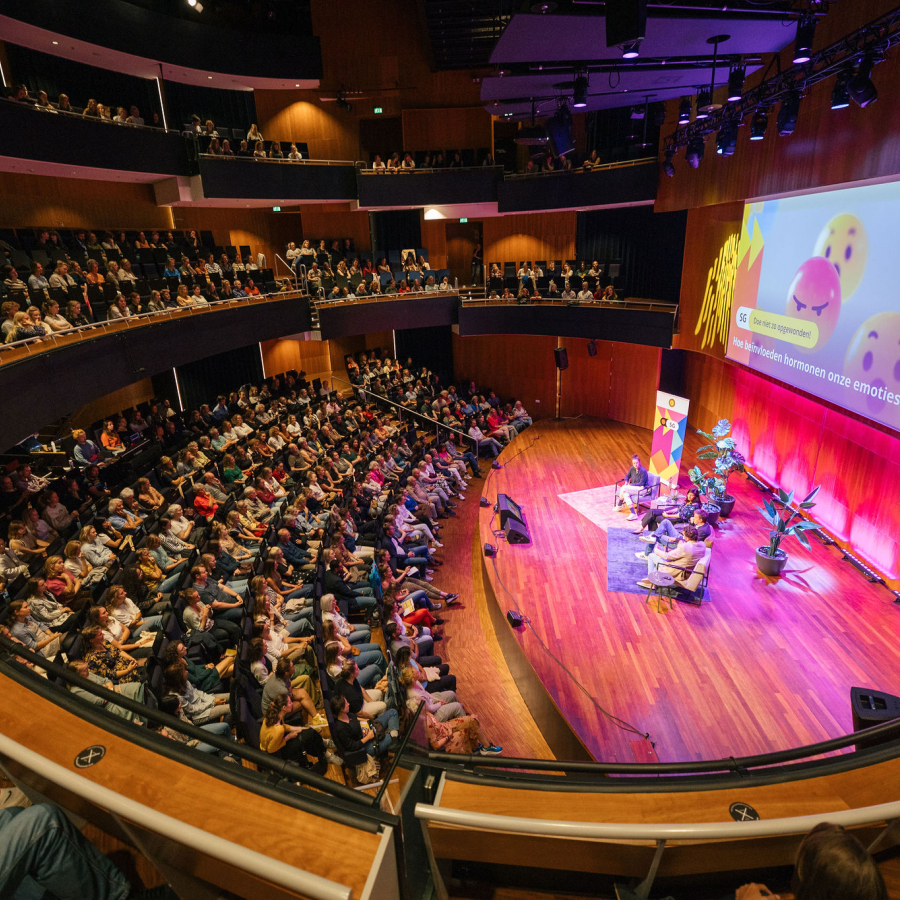
Have you seen the annoying clickbait video recommendations in YouTube? The AI overview query on Google? How Amazon is filled with sponsored low quality products? That Twitter turned into in an arena of misinformation and hate? It seems as if everything on the internet is getting worse and they make you yearn for the good old days when loading a website with pictures took 2 minutes of your time. In 2023 journalist Cory Doctorow coined the term ‘enshittification’ to describe the way online platforms are degrading. Doctorow theorizes enshittification is a deliberate strategy that follows distinct stages. First, online platforms and services are genuinely good to their users. Then, after having built a large user-base, they squeeze those users to benefit their business partners. Lastly, they strip their business partners to extract all value for themselves. When profit has been maximized and the users are fed up enough to leave, the platform dies. Doctorow’s theory helps understand how our online reality is changing, but there are nuances to his thoughts. During the Science Cafe: Why the current internet sucks we - among other things - discussed this theory and the nuances.
Consumers are locked-in
Catalina Goanta (UU), a law and technology specialist, notes that enshittification occurs in reaction to consumer behavior. Let’s be real: internet consumers detest advertisements while also wanting free platforms. Platforms therefore have to get creative. They use deceptive monetization techniques to continue making money while pretending to be free to entice users. But the users ‘pay’ in other ways. Their data gets sold, they get personalized advertisements, additional costs for essential functionality or subscriptions they don’t want. According to Goanta, not everyone really gets how the internet works, which leaves them open to exploitation.
But why don't users simply leave when a platform's quality declines? Media scholar Lucie Chateau (UU) points out that users feel like they’re stuck, the are locked-in. Leaving a platform after years means leaving behind your data, your history, your network. And convincing your entire community to move to an alternative, if one even exists, is very unrealistic. So most users stay, not because they are unaware, but because the cost of leaving is too high. That continues until the consumers get too disgruntled.
Stop Killing Games
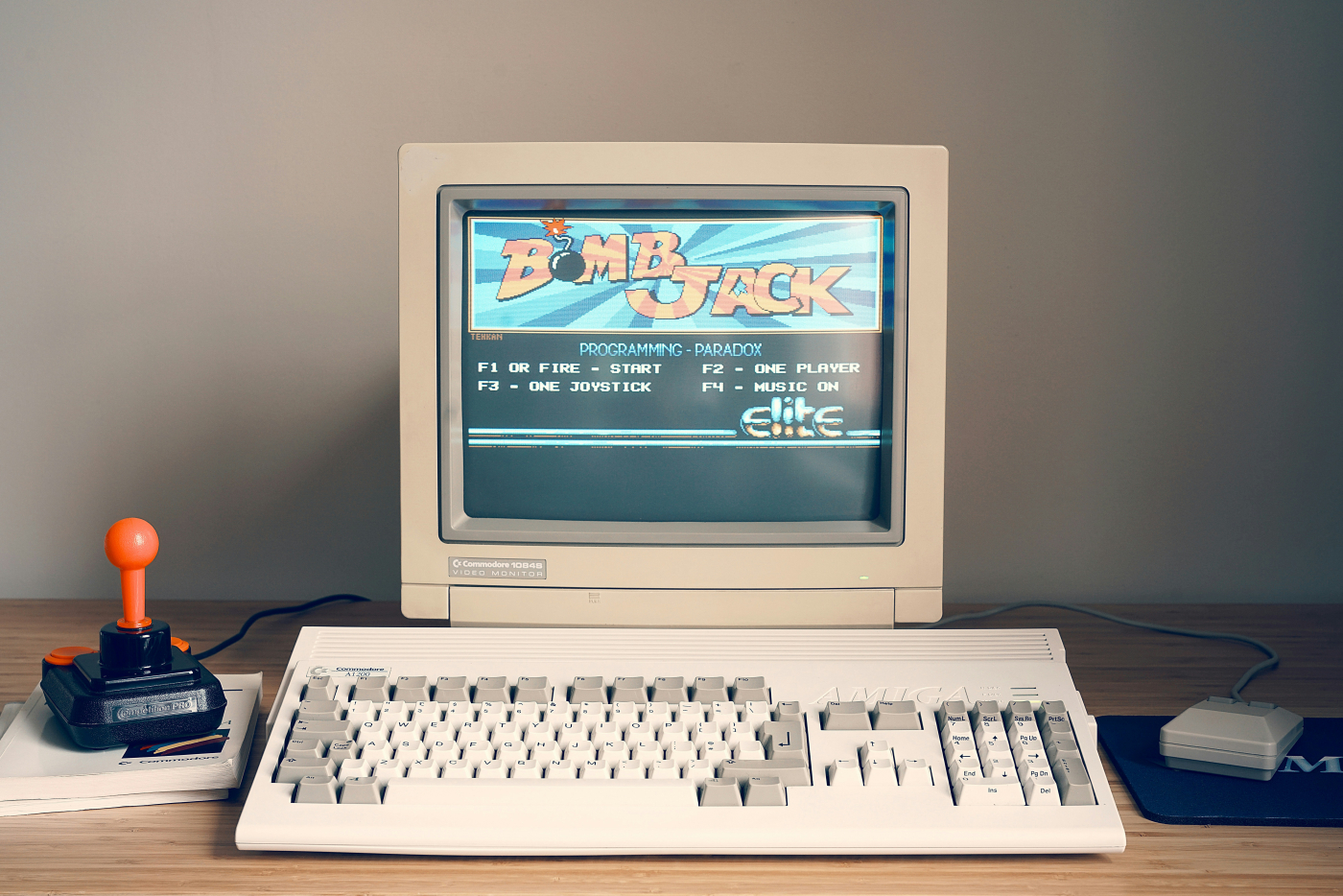
Let’s look at an example. When gaming computers first emerged users bought a game on CD or DVD. Making them owners of a physical copy, which they could play for years after the game’s release. Twenty years ago, online game stores like Steam and Xbox Live started selling digital copies of video games, which ran on their servers. Giving developers the power to pull the plug whenever they want (read: when the game is no longer profitable). Gamers felt ripped off and demanded protection. The EU's 2022 Digital Services Act did not yet offer sufficient regulation. Gamers, frustrated by the lack of action, launched the Stop Killing Games campaign. Over 1.2 million people signed a European Citizens' Initiative through Discord servers and Reddit forums. In order to raise awareness of their cause, they simultaneously bombarded the EU's Digital Fairness Act consultation with over 4,000 submissions. The case has not yet been handled by the European Commission. However, this case demonstrates that consumers can band together and exert pressure on legislators.
This is important because big powerful tech companies, like Apple, Microsoft and X, are also lobbying and they want little to no regulation. Additionally, lawmakers don’t fully grasp what is happening online. Therefore this bottom-up pressure is necessary to inform them and stand up for consumer rights. Some are skeptic about the EU’s power to regulate online platforms. But Goanta points out that the EU can play an important role in creating transparency, as clearer rules and open practices give consumers more control over their online experience.
The enshittification of everything
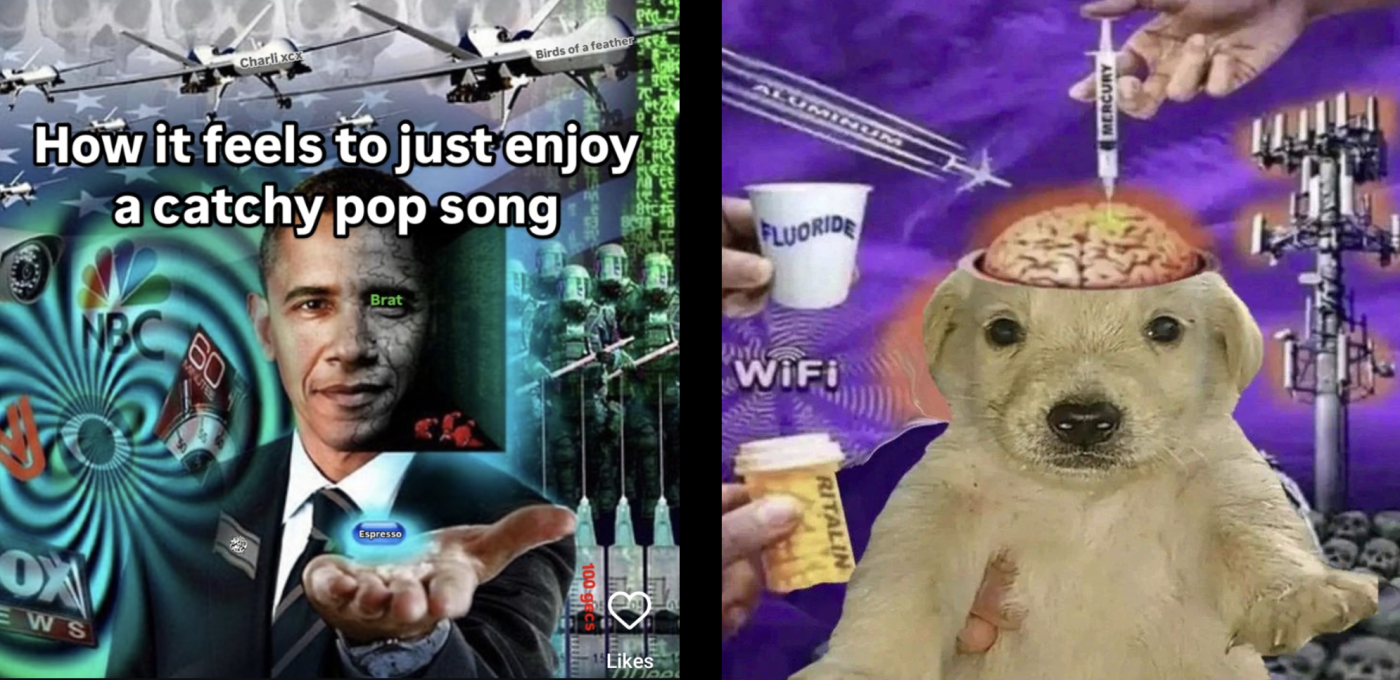
Doctorow argues that enshittification is no longer limited to content feeds or gaming libraries, because a lot of things are 'online' these days. Car companies, like Mercedes or Tesla (and even tractor companies like John Deere), have subscription-based car features. There are home devices, such as vacuum robots and fridges, that increasingly lock users into products and services with extractive software. In that sense, enshittification is expanding into every corner of daily life. However, the reach of this problem can be its solution too. Because the more people are affected, the larger the group that has a stake in reversing it. With enough public pressure behind it, stricter regulation of big tech companies becomes inevitable. There are already signs of resistance. Both Chateau and Goanta point out that the internet has not been entirely hollowed out. There are still online places that resemble the open, creative spaces people fell in love with in the early days of the internet. You just really have to look for it and dig deep. Chateau notes that users mimic AI-generated content with creative memes to mock and expose the very systems that produce it.
False nostalgia
There is no way to go back to the 'old internet' and we probably should not want that either. Media scholar Michael Stevenson (UvA) focuses on how we can understand current digital culture in light of earlier developments of the web. According to him the early web was really a space for the 'nerds' and 'geeks', they saw themselves as the explorers of a new frontier. It is easy to romanticize that period. There was so much enthusiasm about the new medium, but from the start there were flame wars (i.e. posting of insulting of hostile message) and there were trolls online. In an interview with NY Magazine Doctorow, who was one of those early internet pioneers, says: "I don’t want to go back; I want to go forward. I don’t want the old, good internet, because as much as I liked it, it was too hard to use, and my normie friends couldn’t use it. I like the thing that we did where we made it much easier for everyday people to use it, and lots of people got to join the party."
The way forward is a 'new' internet
There are already laws and regulations in place to combat enshittification. But they need to be enforced more effectively. It is possible to improve the digital world, but to do so, power must be distributed more fairly among consumers, big tech companies, and other providers. The fight for a better internet is also a fight for innovation. Big tech companies can do as they please because there is little competition. If their power is curtailed, new and innovative companies - that preferably are EU-based - will have more room to grow. This requires clear decisions from the government and strict enforcement of the rules. In the meantime, we as users have to critically reflect on the way we use the internet or interact with technology. Don't mindlessly click 'accept all cookies', ask ChatGPT every single question that pops in your head, buy a 'smart' device or download apps that steal your data. And every once and a while, go offline. Do as the meme says: touch some grass!